

How does the driving environment affect the engine wiring harness?
Nov 03, 2026
The engine wiring harness is the nervous system of a vehicle. It connects every electrical component inside the engine, and it sits in the harshest part of the vehicle. As an engine wiring harness supplier, we see what heat, cold, moisture, dust, vibration and chemicals do to a harness over the years. Here is how each factor causes damage, and what we do to build harnesses that survive it.
In short:
- • Heat hardens the insulation and cold makes it brittle. Both end in cracks and short circuits.
- • Moisture and road salt corrode terminals, while dust and vibration wear through the insulation.
- • Material choice and sealing are what decide how long a harness lasts.
1. Extreme Temperatures
Insulation is the first thing to go. In hot environments it dries out, hardens and cracks, exposing the conductors underneath. That opens the door to short circuits, electrical faults and, in the worst cases, fire. Long, hot summers accelerate the process.
Cold does the opposite. Insulation stiffens and loses flexibility, so vibration cracks it. Conductivity drops as well, which makes cold starts harder and field repairs more difficult.
2. Humidity and Moisture
Moisture that gets inside a harness corrodes wires and terminals. Corrosion raises resistance, so performance drops and faults become intermittent. Coastal air makes it worse, because salt attacks metal quickly. Sealed connectors, protective sheathing and routine inspection are what keep it under control.
3. Dust and Dirt
Dust builds up and acts as an insulator, trapping heat around the wires. Grit is abrasive as well, and over time it wears through the insulation and exposes the conductor. Construction sites, mines and farms are the hardest environments for this.

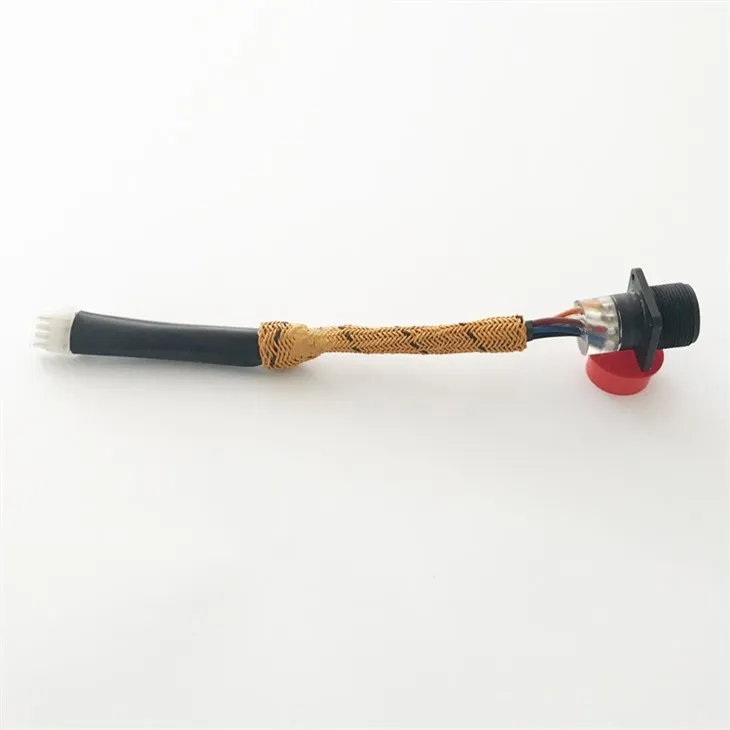
Cummins 5367847 valve cover gasket with harness and CAT C4.4 wire harness 324-0843.
Covers, shields and cleaning at every service interval are the simple defence. On a working machine, a dirty harness is usually the first sign of a bigger maintenance problem.
4. Vibration and Shock
Wires chafe against each other and against nearby components. The insulation wears thin, and the conductor eventually breaks. Off-road vehicles and heavy-duty trucks see the most severe vibration. Strain relief, secure mounting points and flexible materials absorb it.
5. Chemical Exposure
Oil, coolant and fuel all attack insulation and corrode terminals. Oil softens and breaks down the insulation material, while coolant leaks corrode the wires and connectors. Chemical-resistant coatings and regular inspection are the practical defences.
How We Build Harnesses to Survive It
Every harness we make is specified around the environment it will work in.
- • Quality Materials: insulation that resists heat, cold, moisture and chemicals and keeps its integrity over time.
- • Proper Design: strain relief, secure mounting points and waterproof connectors to handle vibration, shock and moisture.
- • Testing and Certification: temperature resistance, conductivity and durability tested against industry standards.
- • Customization: built to your vehicle model and your operating conditions.
Conclusion
The driving environment decides how long a harness lasts. Temperature, moisture, dust, vibration and chemicals each do damage in a different way, and the right materials and sealing are what stop it. That is what we build for.
Looking for engine wiring harnesses that hold up in your operating conditions?
Send us the model or a sample, and we will tell you what we can build. Contact us for a quote.