

What are the common mistakes when installing an engine wiring harness?
Jun 10, 2025
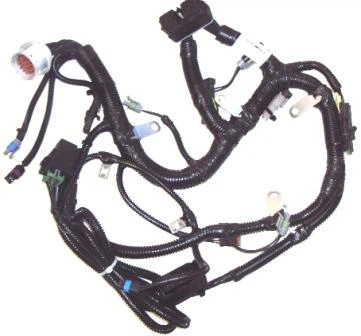
Installing an engine wiring harness is a critical task that requires precision and attention to detail. As an engine wiring harness supplier, I've seen my fair share of mistakes during the installation process. In this blog, I'll share some of the most common errors people make when installing engine wiring harnesses and how to avoid them.

Incorrect Routing
One of the most frequent mistakes is incorrect routing of the wiring harness. The wiring harness needs to be routed in a way that avoids sharp edges, moving parts, and high - heat areas. If the harness is routed too close to sharp edges, the insulation can get cut, leading to short circuits. And when it's near moving parts, the constant vibration and movement can wear down the wires over time.
For example, in heavy - duty equipment like excavators, the wiring harness has to be carefully routed around hydraulic cylinders and other moving components. If it's not, the constant flexing and rubbing can cause the wires to break. To avoid this, always refer to the installation manual. It usually has clear diagrams showing the correct routing path. And if you're working on a custom - built engine or a piece of equipment where the manual isn't very clear, take your time to plan the route. Make sure it's away from any potential hazards.
When you're installing a 3812499 Harness for Excavator E324D E325D, for instance, double - check the routing. The harness is designed to fit the specific layout of these excavators, so following the correct path is crucial for its long - term performance.
Poor Connection
Another big mistake is making poor connections. Whether it's using the wrong type of connectors or not crimping them properly, bad connections can lead to a host of problems. A loose connection can cause intermittent electrical problems, such as flickering lights or erratic sensor readings. And in some cases, it can even lead to a complete electrical failure.
When you're connecting wires, make sure you're using the right connectors for the job. Different engines and equipment may require different types of connectors based on the amperage and voltage requirements. For example, high - power circuits may need heavy - duty connectors that can handle more current.
Also, the crimping process is very important. A good crimp ensures a solid electrical connection and mechanical strength. Use a quality crimping tool and follow the manufacturer's instructions. After crimping, give the connection a gentle tug to make sure it's secure.
If you're installing a 198 - 2713 Harness For Caterpillar C7 324D 325D, pay close attention to the connectors. Caterpillar engines have specific requirements for their electrical connections, and any deviation can lead to problems down the road.
Not Securing the Harness
Failing to secure the wiring harness properly is another common error. A loose harness can move around, which can cause the wires to rub against each other or other components. This friction can damage the insulation and expose the wires, increasing the risk of short circuits.
To secure the harness, use zip ties, clamps, or other appropriate fasteners. Place them at regular intervals along the harness to keep it in place. Make sure the fasteners aren't too tight, though, as this can also damage the wires.
When working on a 230 - 6279 Wiring Harness for Caterpillar Excavator, ensure that you secure it correctly according to the equipment's design. Caterpillar excavators often operate in rough environments, so a well - secured harness is essential to withstand the vibrations and shocks.
Ignoring the Grounding
Grounding is a crucial part of the electrical system in an engine. Ignoring proper grounding can lead to electrical noise, voltage fluctuations, and even component damage. The wiring harness should have a good ground connection to ensure the electrical system works correctly.
When installing the harness, make sure the grounding wires are connected to a clean and bare metal surface. Rust, paint, or dirt on the grounding point can increase resistance and prevent a proper electrical connection. Clean the surface thoroughly before making the connection.
Also, check that the grounding wires are of the appropriate gauge. Using a wire that's too thin can cause excessive resistance and overheating.
Overlooking Wire Protection
Wires in an engine wiring harness are exposed to various environmental factors like heat, moisture, and chemicals. Not providing adequate wire protection can lead to premature wire degradation.
Use wire looms, conduit, or heat - shrink tubing to protect the wires. Wire looms can shield the wires from abrasion, while heat - shrink tubing provides insulation and protection against moisture.
For example, in engines that run at high temperatures, using heat - resistant wire looms is a must. This helps prevent the wires from melting or losing their insulation due to the heat.
Skipping the Testing
Once the wiring harness is installed, many people skip the testing phase. But this is a huge mistake. Testing the electrical system after installation can help you identify any problems early on.
Use a multimeter to check for continuity, voltage, and resistance in the circuits. Make sure all the sensors are working correctly and that there are no short circuits.
If you notice any issues during the testing, don't ignore them. Go back and check the connections, routing, and other aspects of the installation to find and fix the problem.
Not Updating the Documentation
If you're working on a project where multiple people are involved or if the equipment will be serviced in the future, not updating the documentation is a mistake. Keep a record of the installation, including the routing path, connection points, and any modifications made.
This documentation can be very helpful for future maintenance and troubleshooting. It ensures that anyone working on the equipment in the future has a clear understanding of how the wiring harness was installed.
Conclusion
Installing an engine wiring harness is a complex task, but avoiding these common mistakes can make the process smoother and ensure the long - term performance of the electrical system. As an engine wiring harness supplier, I'm always here to help you with any questions you may have about installation.
If you're in the market for a high - quality engine wiring harness, we've got a wide range of products to meet your needs. Whether it's for construction equipment, agricultural machinery, or other applications, we can provide the right harness for your project. If you're interested in purchasing our products or have any questions about installation or compatibility, feel free to reach out. We're eager to start a conversation and help you find the perfect solution for your engine wiring needs.
References
- Automotive Wiring and Electrical Systems, by Tony Candela
- Electrical Systems for Heavy Equipment, by various industry experts