

What kind of training is needed for WK - 113 - 1960?
Nov 14, 2025
As a supplier of WK - 113 - 1960 products, I understand the importance of proper training for those who work with this equipment. The WK - 113 - 1960 is a specialized product, often used in specific industrial or automotive applications, and appropriate training is crucial for ensuring its safe and efficient operation.
Technical Knowledge Training
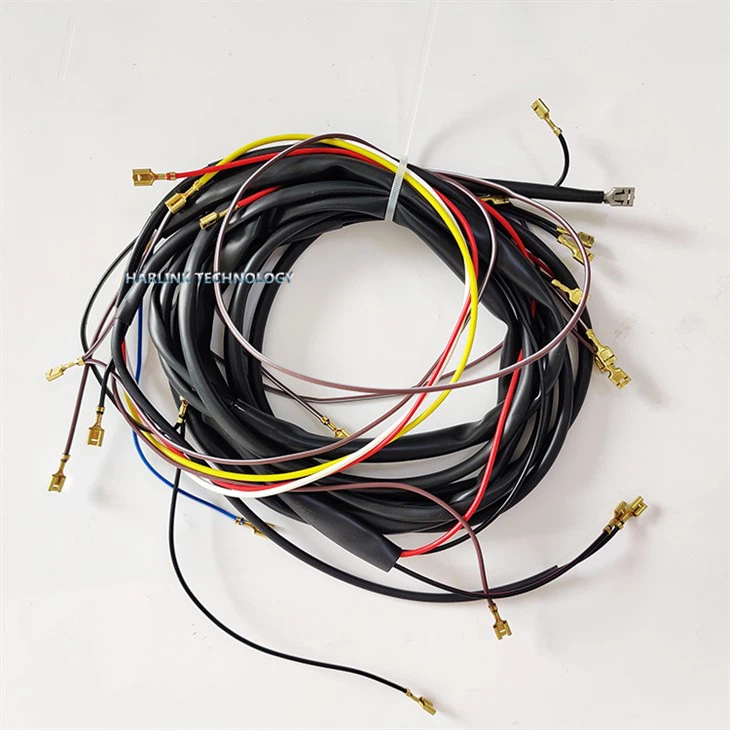
First and foremost, technical knowledge training is essential. Operators need to have a deep understanding of the WK - 113 - 1960's specifications, features, and functions. This includes knowledge of its electrical components, mechanical parts, and how they interact with each other. For example, understanding the wiring system is vital. Just like the WK - 143 - 68 - 69 Wiring Looms for 1968 VW, the WK - 113 - 1960 has its own unique wiring configuration. Training should cover how to read wiring diagrams, identify different wires, and troubleshoot electrical issues.
In addition, knowledge of the mechanical aspects such as the engine components (if applicable), transmission systems, and other moving parts is necessary. Operators should be able to identify signs of wear and tear, perform basic maintenance tasks, and understand how to make adjustments to ensure optimal performance. Training programs can include theoretical lessons in classrooms, where instructors explain the technical details using diagrams, manuals, and multimedia materials. Hands - on practical sessions are also crucial, allowing trainees to work directly with the WK - 113 - 1960, take it apart, and put it back together. This hands - on experience helps solidify the theoretical knowledge and gives trainees the confidence to handle the equipment in real - world situations.
Safety Training
Safety is always a top priority when working with any equipment, and the WK - 113 - 1960 is no exception. Safety training should cover a wide range of topics. Firstly, personal protective equipment (PPE) usage must be emphasized. Trainees should be taught what type of PPE is required when working with the WK - 113 - 1960, such as safety glasses, gloves, and protective clothing. They need to understand the importance of wearing PPE at all times and how it can prevent injuries.
Secondly, safety procedures for operating the equipment should be clearly explained. This includes proper startup and shutdown procedures, how to handle emergencies such as fires or electrical short - circuits, and how to avoid common hazards. For example, when working with electrical components, trainees should be taught about electrical safety, such as avoiding contact with live wires, using insulated tools, and following lock - out/tag - out procedures.
Training can also include safety drills. These drills simulate real - world emergency situations, allowing trainees to practice their response skills. For instance, in case of a fire, trainees should know how to quickly shut down the equipment, use fire extinguishers, and evacuate the area safely. Regular safety training refresher courses should be provided to ensure that operators always stay up - to - date with the latest safety standards and procedures.
Operational Training
Operational training focuses on how to use the WK - 113 - 1960 effectively to achieve the desired results. This involves understanding the equipment's controls, functions, and how to set it up for different tasks. Trainees should learn how to adjust the settings according to the specific requirements of the job, such as speed, pressure, or temperature settings.
For example, if the WK - 113 - 1960 is used in an automotive assembly line, operators need to know how to position the equipment correctly, how to load and unload parts, and how to coordinate with other machines on the line. Training should also cover quality control aspects. Operators should be able to identify if the output of the WK - 113 - 1960 meets the required quality standards. They should know how to perform inspections, measure key parameters, and take corrective actions if necessary.
Troubleshooting and Maintenance Training
Even with proper operation, equipment can sometimes encounter problems. Troubleshooting and maintenance training is crucial for minimizing downtime and ensuring the longevity of the WK - 113 - 1960. Trainees should be taught how to identify common problems, such as strange noises, vibrations, or malfunctions in the electrical or mechanical systems. They need to learn how to use diagnostic tools to pinpoint the source of the problem.
For example, if there is an issue with the wiring system, operators should know how to use a multimeter to test the electrical continuity of the wires. Once the problem is identified, trainees should be trained on how to perform basic maintenance and repair tasks. This can include replacing worn - out parts, lubricating moving components, and adjusting settings. Similar to the WK - 113 - 62 - 64 Wiring Looms for 1964 VW, where replacement parts may be needed, operators of the WK - 113 - 1960 should be able to source and install the correct parts.
Advanced troubleshooting training can also be provided for more complex problems. This may involve working with engineers or technicians to understand the root cause of the problem and develop long - term solutions. Regular maintenance schedules should be established, and operators should be trained on how to follow these schedules to prevent problems from occurring in the first place.
Training Delivery Methods
There are several ways to deliver the required training for the WK - 113 - 1960. In - house training programs can be developed, where experienced technicians or engineers from the company teach the trainees. This has the advantage of being tailored to the specific needs of the company and the equipment. The trainers can use real - world examples from the company's operations, which makes the training more relevant and practical.
External training courses can also be an option. There are many training institutions and experts in the field who offer specialized courses on industrial and automotive equipment. These courses may provide a more comprehensive and standardized training experience. Online training modules can be another useful tool. They allow trainees to learn at their own pace, review the material as needed, and can be accessed from anywhere with an internet connection.

The Importance of Training
Proper training for the WK - 113 - 1960 has numerous benefits. Firstly, it improves safety. Well - trained operators are less likely to cause accidents, which can protect both the operators themselves and the equipment. Secondly, it enhances productivity. Operators who know how to use the equipment effectively can complete tasks more quickly and with higher quality. This leads to increased output and better customer satisfaction.
Thirdly, training reduces downtime. When operators are able to troubleshoot and perform basic maintenance tasks, they can quickly address problems and get the equipment back up and running. This saves time and money for the company. Finally, it helps in the long - term reliability of the equipment. Regular maintenance and proper operation, as a result of training, can extend the lifespan of the WK - 113 - 1960, reducing the need for frequent replacements.
Conclusion
In conclusion, the training needed for the WK - 113 - 1960 encompasses technical knowledge, safety, operational, and troubleshooting and maintenance aspects. A comprehensive training program, delivered through a combination of in - house, external, and online methods, is essential for ensuring the safe and efficient operation of this equipment. If you are interested in purchasing the WK - 113 - 1960 or need more information about our products and the associated training programs, please feel free to contact us for further discussions. We are committed to providing high - quality products and excellent support to our customers.
References
- Manufacturer's manuals for WK - 113 - 1960
- Industry standards for industrial and automotive equipment training
- Safety regulations and guidelines related to equipment operation