

How to use 198 - 2713 in a historical English data analysis?
Dec 26, 2025
Hey there! I'm stoked to have you here as we dive into the world of using 198 - 2713 in historical English data analysis. And yeah, I'm a proud 198 - 2713 supplier. Let's get this ball rolling!
What's 198 - 2713 All About?
First things first, what exactly is this 198 - 2713? Well, in the historical data analysis scene, it's a real game - changer. It's a unique item that has a long - standing history in the market, kind of like a well - preserved antique with modern - day applications.
In historical English data, this part can be used as a reference point. Think about it like a marker on a map. When we're looking through old records, ledgers, and documents, the presence of 198 - 2713 can tell us a lot about the time period. For example, if we find mention of 198 - 2713 in a 19th - century shipping log, it can give us insights into the trade routes, the industries that relied on it, and even the economic conditions of that era.
Using 198 - 2713 in Data Collection
When we're out there collecting historical data, 198 - 2713 can be a key piece of the puzzle. We can search through archives, both digital and physical, for any mention of this item. Libraries, museums, and historical societies are great places to start.
Let's say we're looking at old factory records. If we find that a factory was ordering 198 - 2713 in large quantities during a certain period, it could mean that the demand for the end - product that used this part was high. This, in turn, gives us an idea of the consumer trends and the overall industrial growth during that time.
Analysis: Digging Deeper
Once we've gathered the data, it's time to analyze it. We can compare the usage of 198 - 2713 over different time periods. Maybe in the early days, it was only used in a specific region, but as time went on, it spread to other parts of the country, or even internationally.
We can also look at the relationship between 198 - 2713 and other related parts. For instance, if we know that the 122 - 1486 Fuel Injector Wiring Harness was often used in conjunction with 198 - 2713, we can analyze the combined demand and how it changed over time. This can help us understand the technological advancements and the evolution of the machinery or systems that these parts were used in.
Correlation with Other Historical Events
Historical data analysis isn't just about numbers and parts. It's also about connecting the dots with other historical events. For example, if there was a major war or economic crisis during a certain period, did the demand for 198 - 2713 increase or decrease?
A war might lead to a surge in demand for equipment that used 198 - 2713, as the military would need to replenish or expand their resources. On the other hand, an economic downturn could mean that factories cut back on production, leading to a decrease in the use of this part.
Real - World Applications of the Analysis
The insights we gain from this historical data analysis can be super useful in today's world. For us suppliers, it helps us understand the market trends better. If we see that there was a high demand for 198 - 2713 during a particular economic cycle, we can anticipate similar trends in the future and adjust our production and inventory accordingly.
For researchers, it provides a window into the past. They can use this data to write academic papers, build theories about historical economic and industrial development, and even make predictions about future technological changes.
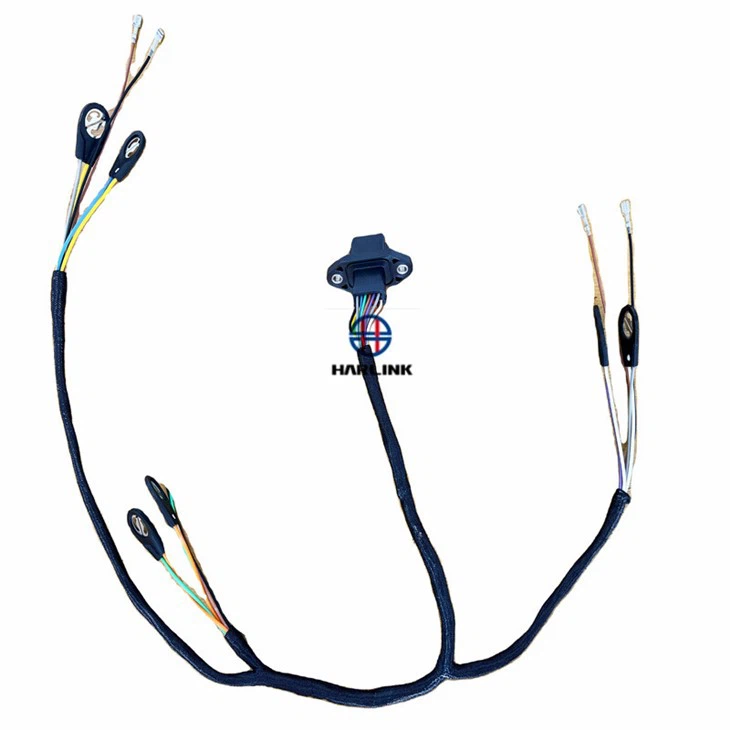

Comparing 198 - 2713 with Other Parts
Let's talk about how 198 - 2713 stacks up against other parts like the 230 - 0960 Harness For Caterpillar and the 121 - 0198 Transmission Wiring Harness for caterpillar. While these parts might have some overlapping applications, each has its unique features and historical significance.
The 198 - 2713 might have been more versatile, used in a wider range of machinery compared to the other two. On the other hand, the 230 - 0960 might have been more specialized, catering to a specific type of equipment. By comparing them in our historical data analysis, we can understand the market dynamics and how different parts complemented each other over time.
Future Predictions based on Historical Data
Based on our analysis, we can make some educated guesses about the future. If we see a cyclical pattern in the demand for 198 - 2713, we can predict when the next surge or decline might happen. This can be incredibly valuable for both suppliers and businesses that rely on this part.
For example, if we know that every ten years there's an increase in the demand for equipment that uses 198 - 2713, suppliers can start ramping up production in anticipation. Businesses can also plan their procurement schedules better, ensuring that they have enough stock when the demand hits.
Want to Know More? Let's Talk!
If you're interested in learning more about 198 - 2713 or want to discuss any historical data analysis related to it, I'd love to have a chat. Whether you're a researcher, a business owner, or just someone curious about historical data, reach out. We can explore how we can work together to make the most of this fascinating piece of history and its modern - day applications.
References
- Historical archives from local libraries
- Factory records from industrial museums
- Academic papers on historical economic and industrial development