

Is it necessary to disconnect the battery when working on a Volvo wiring harness?
Nov 25, 2025
When it comes to working on a Volvo wiring harness, one of the most frequently debated questions is whether it is necessary to disconnect the battery. As a supplier of Volvo wiring harnesses, I've encountered this query numerous times from technicians, mechanics, and even DIY enthusiasts. In this blog post, I'll delve into the science behind this practice, its implications, and provide a well - rounded perspective on the matter.
The Electrical System of Volvo Trucks and Cars
Volvo vehicles are equipped with sophisticated electrical systems. The wiring harness serves as the nervous system of these vehicles, carrying electrical signals to various components such as the engine control unit (ECU), sensors, lights, and entertainment systems. The battery, on the other hand, is the power source that provides the necessary electrical energy for these systems to function.
The electrical system in a Volvo is designed to be both efficient and reliable. However, it is also sensitive to electrical surges and short - circuits. A single mistake during wiring harness work can potentially cause damage to the electrical components, leading to costly repairs and downtime.
Reasons for Disconnecting the Battery
Safety First
The primary reason for disconnecting the battery when working on a Volvo wiring harness is safety. Electrical shock is a real risk when working with live electrical circuits. Even a small electrical current can cause serious injury or, in extreme cases, be fatal. By disconnecting the battery, you eliminate the risk of electrical shock, creating a safer working environment.

For example, if you accidentally touch two exposed wires while the battery is connected, it could result in a short - circuit. This short - circuit can cause a sudden surge of electrical current, which may not only damage the wiring harness but also pose a fire hazard.
Protecting Electrical Components
Modern Volvo vehicles are filled with sensitive electronic components. These components are designed to operate within a specific voltage range. When working on the wiring harness, there is a risk of creating electrical spikes or short - circuits that can exceed this voltage range.
Disconnecting the battery helps protect these components from damage. Without the power source, there is no electrical current flowing through the system, reducing the risk of over - voltage or short - circuit damage. For instance, the ECU in a Volvo is a critical component that controls various engine functions. A sudden electrical surge can corrupt the ECU's programming or even damage its internal circuitry, leading to engine performance issues.
Preventing Accidental Activation
Some electrical components in a Volvo can be accidentally activated when working on the wiring harness. For example, the airbag system is connected to the wiring harness. If you accidentally trigger the airbag while working on the wiring, it can deploy unexpectedly, causing injury to the person working on the vehicle and potentially damaging the interior of the car.
By disconnecting the battery, you prevent these accidental activations, ensuring that all systems remain in a safe, inactive state during the wiring harness work.
Situations Where Disconnecting the Battery May Not Be Necessary
Minor Repairs
In some cases, minor repairs to the wiring harness may not require disconnecting the battery. For example, if you are simply replacing a damaged insulation sleeve on a wire that is not connected to any sensitive electrical components, and you are confident that you can avoid touching any live wires, you may be able to perform the repair without disconnecting the battery.
However, this should only be done if you have the necessary experience and knowledge. It is always better to err on the side of caution and disconnect the battery whenever possible.
Diagnostic Work
During diagnostic work, it may be necessary to keep the battery connected to power the electrical system and access the diagnostic tools. For example, if you are using a diagnostic scanner to read error codes from the ECU, the scanner needs power from the vehicle's electrical system to function.
In such cases, extreme care must be taken to avoid any accidental short - circuits or electrical surges. It is recommended to use insulated tools and follow strict safety procedures.
Our Volvo Wiring Harness Products
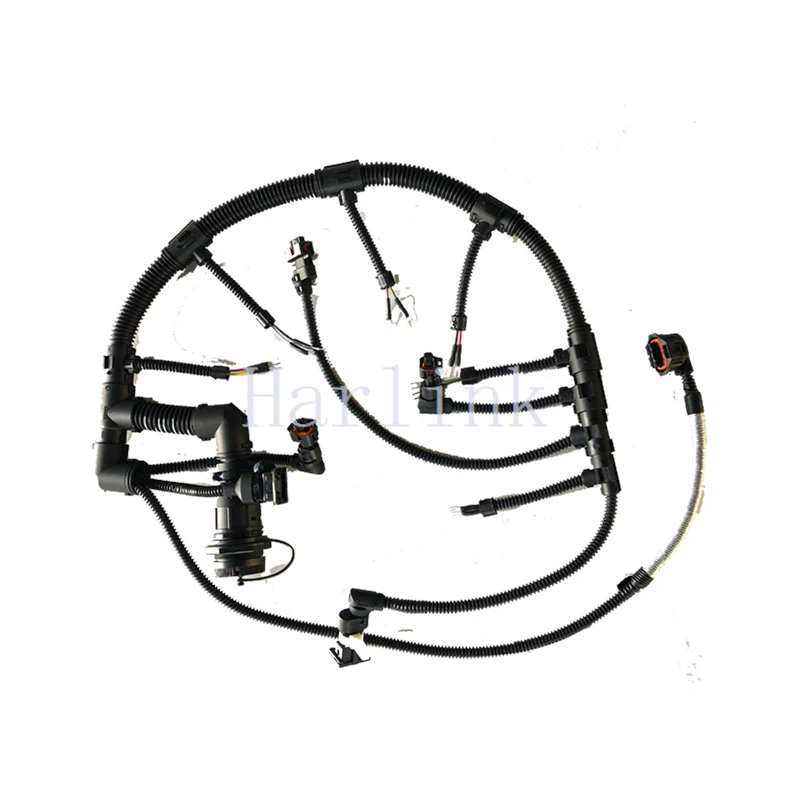
As a supplier of Volvo wiring harnesses, we offer a wide range of high - quality products. For example, we have the VOE23185084 Gasket For Volvo, which is an essential component for ensuring a proper seal in the wiring harness installation. Our 20495742 CABLE HARNESS for VOLVO is designed to meet the exact specifications of Volvo vehicles, providing reliable electrical connections. And our 20554258 Injector Wiring Harness For Volvo is engineered to deliver precise fuel injection control, improving engine performance and efficiency.
When to Reconnect the Battery
Once you have completed the work on the Volvo wiring harness, it is important to reconnect the battery correctly. First, make sure that all the wiring connections are secure and that there are no loose wires or exposed conductors.
When reconnecting the battery, start by connecting the positive terminal first, followed by the negative terminal. This sequence helps prevent accidental short - circuits. After reconnecting the battery, it is a good idea to perform a thorough inspection of the wiring harness and electrical system to ensure that everything is functioning properly.
Conclusion
In most cases, it is highly recommended to disconnect the battery when working on a Volvo wiring harness. The benefits of safety and protecting electrical components far outweigh the inconvenience of disconnecting and reconnecting the battery.
However, there are some situations where disconnecting the battery may not be necessary, such as minor repairs or diagnostic work. In these cases, extra caution must be exercised to ensure safety and prevent damage to the electrical system.
If you are in the market for high - quality Volvo wiring harnesses or have any questions about working on Volvo wiring harnesses, we encourage you to reach out for a procurement discussion. We are committed to providing the best products and support to our customers.
References
- "Volvo Electrical System Manual", Volvo Cars
- "Automotive Electrical Safety Guidelines", National Institute for Automotive Service Excellence (ASE)
- "Electrical Component Protection in Modern Vehicles", Society of Automotive Engineers (SAE)