

What are the differences between different types of truck wiring harnesses?
Jul 17, 2026
As a seasoned supplier of truck wiring harnesses, I've witnessed firsthand the diverse requirements and specifications across different types of trucks. In this blog, I'll delve into the key differences between various types of truck wiring harnesses, shedding light on their unique features, applications, and considerations.

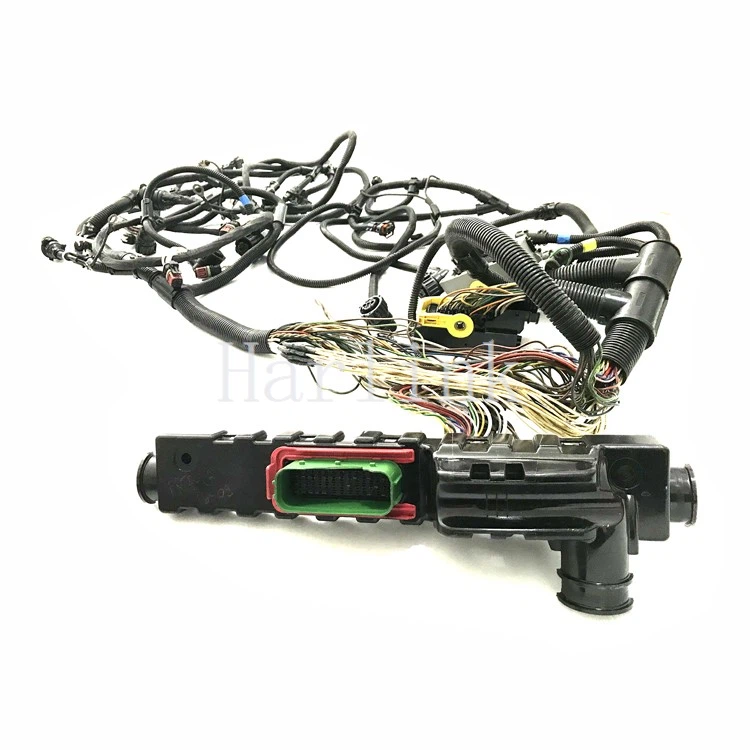
1. Heavy - Duty vs. Light - Duty Truck Wiring Harnesses
Heavy - Duty Truck Wiring Harnesses
Heavy - duty trucks, such as semi - trailers and dump trucks, are designed to carry large loads over long distances. Their wiring harnesses need to withstand extreme conditions, including high temperatures, vibrations, and mechanical stress.
These harnesses are typically made of thick - gauge wires to handle high electrical currents required for powerful engines, large lighting systems, and heavy - duty accessories. For example, the engine wiring harness in a heavy - duty truck is responsible for delivering power to the fuel injection system, ignition system, and various sensors. It must be robust enough to ensure reliable operation even in the harshest environments.
The connectors used in heavy - duty truck wiring harnesses are also more durable. They are designed to resist corrosion and provide a secure connection, preventing electrical failures that could lead to breakdowns on the road. Additionally, heavy - duty harnesses often have additional protective layers, such as braided sleeves or heat - shrink tubing, to shield the wires from damage.
Light - Duty Truck Wiring Harnesses
Light - duty trucks, like pickup trucks and small delivery vehicles, have different wiring requirements. They generally have less powerful engines and fewer electrical accessories compared to heavy - duty trucks. As a result, their wiring harnesses can use thinner - gauge wires, which are more flexible and cost - effective.
The connectors in light - duty truck wiring harnesses are smaller and less complex. They are still designed to provide a reliable connection but do not need to withstand the same level of stress as those in heavy - duty trucks. For instance, the wiring harness for a light - duty truck's interior lighting system may be simpler and more compact, as it only needs to power a few lights and switches.
2. OEM vs. Aftermarket Truck Wiring Harnesses
OEM (Original Equipment Manufacturer) Wiring Harnesses
OEM wiring harnesses are designed and manufactured by the same company that produces the truck. They are specifically tailored to fit the exact make and model of the vehicle. These harnesses are made to the highest quality standards and are often the most reliable option.
One of the main advantages of OEM wiring harnesses is their compatibility. They are engineered to work seamlessly with the truck's existing electrical system, ensuring proper functionality and performance. For example, an OEM wiring harness for a [truck brand] will have the correct connectors, wire lengths, and color - coding to match the vehicle's electrical layout.
However, OEM wiring harnesses can be more expensive than aftermarket options. This is due to the research, development, and quality control processes involved in their production.
Aftermarket Wiring Harnesses
Aftermarket wiring harnesses are produced by third - party manufacturers. They are designed to be compatible with a wide range of truck makes and models. Aftermarket harnesses offer more flexibility in terms of customization and cost.
Some aftermarket wiring harnesses are designed to upgrade the electrical system of a truck. For example, they may include additional features such as improved lighting or enhanced connectivity. Aftermarket harnesses can also be a more cost - effective solution for older trucks, where OEM parts may be hard to find or expensive.
However, the quality of aftermarket wiring harnesses can vary. It's important to choose a reputable manufacturer to ensure that the harness meets the necessary safety and performance standards.
3. Different Truck Brands' Wiring Harnesses
Volvo Wiring Harnesses
Volvo trucks are known for their advanced technology and high - quality engineering. Their wiring harnesses are designed to support the truck's sophisticated electrical systems. For example, the 15187835 Wiring Harness for VOLVO D13 Engine is specifically engineered to meet the requirements of the D13 engine. It includes precise connectors and wiring configurations to ensure proper communication between the engine components.
The 21901481 Engine Cable For Volvo is another example of a specialized Volvo wiring harness. It is designed to handle the high - voltage electrical signals required by the engine, while also providing protection against heat and vibration.
The 82078418 Head Lamp Cable Harness For VOLVO is tailored to the unique lighting requirements of Volvo trucks. It ensures that the headlamps receive the correct amount of power and are properly integrated with the truck's electrical system.
Other Brands
Each truck brand has its own unique wiring harness requirements. For example, Mercedes - Benz trucks often have wiring harnesses that are designed for advanced safety features, such as collision avoidance systems. These harnesses need to be able to transmit data quickly and accurately between different sensors and control units.
Ford trucks, on the other hand, may have wiring harnesses that are optimized for their SYNC infotainment system. The harnesses need to support the connection of smartphones, audio devices, and other accessories.
4. Considerations for Choosing the Right Truck Wiring Harness
Compatibility
The most important consideration when choosing a truck wiring harness is compatibility. The harness must be designed to fit the specific make, model, and year of the truck. Using an incompatible harness can lead to electrical problems, such as short circuits or malfunctioning components.
Quality
The quality of the wiring harness is crucial for reliable operation. Look for harnesses that are made of high - quality materials, such as copper wires and durable connectors. A well - made harness will be able to withstand the rigors of daily use and last for a long time.
Cost
Cost is also an important factor. While OEM harnesses are generally more expensive, they offer the highest level of quality and compatibility. Aftermarket harnesses can be a more cost - effective option, but it's important to balance cost with quality.
Customization
If you need to add additional features or accessories to your truck, you may need a customizable wiring harness. Some aftermarket manufacturers offer harnesses that can be easily modified to meet your specific requirements.
Conclusion
In conclusion, there are significant differences between different types of truck wiring harnesses. Whether you're dealing with heavy - duty or light - duty trucks, OEM or aftermarket options, or different truck brands, it's essential to understand these differences to choose the right wiring harness for your needs.
As a supplier of truck wiring harnesses, I'm committed to providing high - quality products that meet the diverse requirements of our customers. If you're in the market for a truck wiring harness, I encourage you to contact us for a detailed discussion about your specific needs. We can help you select the most suitable harness and ensure a smooth procurement process.
References
- "Automotive Electrical Systems" by John F. Kershaw
- "Truck Electrical and Electronic Systems" by Robert N. Brady