
Motorcycle Wiring Harness

What is Motorcycle Wiring Harness


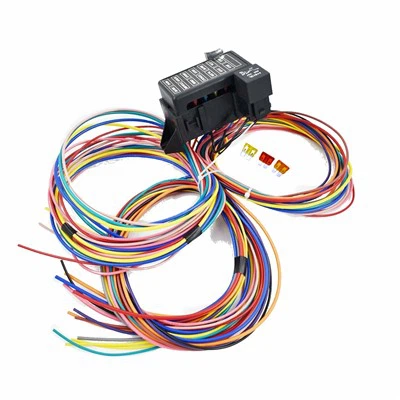
Motorcycle wire harness is an assembly of electrical wires that are used for the transmission of frequencies or electrical power. These wires are usually bound together by materials such as rubber, electrical tape, conduit or a combination of all listed materials. By harnessing wires, they are better secured against the adverse effects of abrasions and moisture. It also enhance the optimal use of space. Wire harness are used in automobiles, construction, machinery as it possesses several advantages over scattered wires and cables.The wires in the motorcycle system are of various types and functions. Therefore, to ensure synergy of power, harnessing is done. Through this, wires are connected, these wires need their ends to be crimped (adding of terminals). Which aids their attachment to circuits.


Advantages of Motorcycle Wiring Harness
 

Simplified Installation
Wire harnesses are made pre-assembled, reducing the complexity of installation processes. This saves time and effort during assembly.


Improved Reliability
The structured bundling of wires and cables in a harness reduces the risk of loose connections, short circuits, and other electrical issues, enhancing overall system reliability.


Space Efficiency
Wire harnesses are designed to fit specific spaces and configurations, optimizing the use of available space and promoting a neat and organized appearance.


Enhanced Durability
Wire harnesses protect wires and cables from environmental factors such as abrasion, moisture, and vibration, thereby increasing the overall durability and lifespan of the electrical system.
 
 
Why Choose Us
01.

Our Factory

HARLINK is a leading provider of customized wiring harness and electrical solutions for various industries. Our company was established in 2007 by a group of experienced professionals with a shared passion for designing and manufacturing high-quality wiring solutions. Over the years, we have grown to become a trusted partner for manufacturers across the globe.

02.

Production Market

Our company's wiring harness products have achieved success in various regions and markets around the world. Our primary sales regions include Europe, North America, and other countries and regions such as the Middle East, South America, and Oceania.

03.

Product Application

Some of the main areas where our wiring harnesses are commonly used include engineering machinery, agricultural machinery, road machinery, heavy trucks, marine vessels, vintage cars, motorcycles, recreational vehicles, aircraft, medical equipment, special equipment, and vehicles. These applications cover various functions such as power transmission, signal transmission, control, and instrumentation.

04.

Our Service

After-sales support is an important part of our commitment to customer satisfaction. We offer technical assistance, training, and troubleshooting to help customers with installation and maintenance, and provide fast and efficient repair and replacement services for damaged or faulty products.


How to Install a Motorcycle Wiring Harness
 

When installing a new Motorcycle Wiring Harness, there are several factors to consider, including length, male and female bullet connectors, and heat shrink wrap. A good motorcycle wiring harness should be organized and protected from the elements, as well as meet OEM quality standards. There are numerous different types of harnesses, and each requires a different type of wire.

Color coding is an important feature of the motorcycle wiring harness. This is very useful when you're trying to match up different wires in your harness. Often, when a wiring harness is installed improperly, you'll have to strip it down and rework it. It's important to color-code the wires before cutting and crimping them. This can save you time and money by preventing mistakes.


If you're making a new Motorcycle Wiring Harness from scratch, it's best to label all the wires to help ensure you don't mix them up. It's also a good idea to label all the connections so you don't forget where they go. A good starting point is a wire from the battery to the ignition switch. Make sure to unplug the battery ground lead to prevent electrical problems.


If you're doing the wiring yourself, you can use an easy motorcycle wiring harness kit to avoid any potential electrical problems. Refer to the motorcycle manufacturer's wiring diagram to get a better understanding of your wiring. Always label the wires with the color code so you can find the correct connectors. In addition to using 16 to 18 gauge stranded copper wire, you should use a 12 to 14 gauge battery ground wire. It's also helpful to purchase automatic strippers to make connections more convenient and safe.


The motorcycle wiring harness is an essential part of your bike. It's important to keep all the wires secure. Then you can add gauges and other accessories. You should also install a relay. A relay is an electromagnetic switch. This switch provides power when the bike is turned on. It's an essential part of your bike's electrical system and helps to prevent any problems with the wiring. A good harness will protect the wiring and prevent problems from occurring.


The wiring harness should be properly insulated. If you're doing the wiring on your bike yourself, you need to know which wires will be grounded. A high-quality motorcycle wiring harness should be protected from electrical noise. The wires should be supported whenever they can. When you're doing it yourself, you can use a crimping kit if you're not comfortable with DIY. If you're doing it yourself, you should be aware of the electrical noise it creates.


The wires in the harness should be in a place where they can't be seen. If you're wiring your motorcycle with a crimping kit, you'll be able to do it yourself by following some simple steps. The first step is to connect the battery. The battery and the wires should be connected by a relay. After the batteries, you can then start to work on the wiring harness.


A good wiring harness should have an edge protection system. This will protect the cables from being pinched, which could lead to an electrical fire. When you're wiring your motorcycle, you should use a harness with protective edges. A good wiring harness will protect the cables from sharp objects and prevent them from tangling. Ultimately, the wiring harness should be able to provide the most protection for your bike. If you're not comfortable with soldering, you can try a crimping tool if you don't have experience.


The wires should be properly connected to the motorcycle. If you have an old wiring harness, it might be time to replace it with a new one. A new wiring harness will save you a lot of time and money. If you don't want to replace the entire wiring harness, there are several other options to consider. If you're looking for a new motorcycle wiring harness, you should look for a quality one.


How Do Make Motorcycle Wiring Harness
Wiring Harness for Ducati
Harness Kit For Motorcycles
Dirt Bike Wiring Harness
Wiring Harness For Motorcycle

Planning and Design
- Start by planning out your wiring harness design. Consider the components you will be connecting (e.g., lights, signals, ignition, etc.) and their locations on the motorcycle.
- Create a wiring diagram or use the existing motorcycle wiring diagram as a reference. This will help you map out the connections and ensure you don't miss anything.


Gather Materials
- Get the necessary materials such as wires (different colors for easy identification), connectors, terminals, heat shrink tubing, loom tubing, electrical tape, and a wiring harness kit if needed.
- Make sure you have the appropriate gauge wires for the different components in your motorcycle.


Prepare the Wires
- Cut the wires to the required lengths based on your design.
- Strip the insulation off the ends of the wires to expose the copper conductors.


Connectors and Terminals
- Crimp the appropriate terminals onto the ends of the wires. Make sure to use the correct size terminals for the gauge of wire you are using.
- Connect the terminals to the appropriate connectors based on your wiring diagram.


Routing and Looming
- Route the wires along the frame of the motorcycle, securing them in place with zip ties or clamps. Make sure to keep the wires away from moving parts or hot surfaces.
- Use loom tubing to protect the wires from abrasion and moisture. You can also use heat shrink tubing to cover individual connections for added protection.


Testing
- Before fully installing the wiring harness, test each circuit to ensure they are functioning correctly. Check for continuity, proper voltage, and that all connections are secure.
- Make any necessary adjustments or corrections before finalizing the installation.


Installation
- Once you have tested the wiring harness and everything is working properly, you can install it on the motorcycle.
- Secure the harness in place and make sure all connections are properly insulated and protected.


Final Checks
- Double-check all connections and make sure everything is secure.
- Test the entire system again to ensure all components are working as intended.


5 Common Types of Wire Insulation for Motorcycle Wiring HarnessManufacturing


1.Wiring Harnesses—Polyvinyl Chloride
PVC has a wide range of electric cable manufacturing applications as bedding, insulation, and sheathing material. PVC was an advanced and better alternative to rubber insulated wires as PVC was more accessible to process than rubber sheathing. As you will not replace or repair custom wiring harnesses any sooner; hence, PVC offers an excellent lifespan. PVC is one of the most flexible and versatile thermoplastics due to its fantastic flexibility. The original properties of PVC make it rigid and challenging, but it is useable in different applications after easy modifications. During the selection of material for wire insulation, fire resistance is an important consideration. The use of PVC for wire insulation in wiring harnesses allows the harnesses to perform effectively despite the temperature rise.


2.Wiring Harnesses—Fluorinated Ethylene-Propylene
FEP is the blend of hexafluoropropylene and tetrafluoroethylene. FEP materials are modifiable after melting. This material is a perfect insulation material for temperature sensing wires, but its use for wiring harnesses also has some benefits. FEP has countless applications in industrial units as insulation and jacketing material for wires and cables. In coaxial cables, this material can perform as a dielectric too. The outstanding resistive properties of chemicals make it a suitable option for wire insulation in wiring harnesses.


3.Wiring Harnesses—Polyethene
Polyethene insulated wires are best for projects where high voltage is involved. From electrical properties to resistance against different levels of temperature, Polyethylene is suitable for harsh conditions. In various applications where general sheathing materials would fail, manufacturers use Polyethylene as an insulation material. From freezing conditions to boiling applications, Polyethylene can withstand both extremes.
The wiring harnesses with a coating of Polyethylene are rigid but offer better resistance against abrasion. The original chemical properties of Polyethylene make it a tough and solid material. In the original form, Polyethylene may not be suitable for wires where you need flexibility. But with some further modifications of additives and fillers, you can make it flexible according to the project specifications.


4.Wiring Harnesses—Nylon
Thermoplastic materials for the insulation of wires in custom wiring harnesses are less expensive as compared to thermosets. There are realities of wires and cables that feature different insulating materials according to the project specifications. Each material has some benefits over others, as some are soft, and some exhibit rigid attributes.
In some industries like automotive and aerospace industries, Nylon seems to be a perfect choice. Although this material is flexible, Nylon;s toughness can protect the wires against external factors and abuse. When many bending and mechanical movements are involved, custom wiring harnesses with Nylon insulation can perform better.


5.Wiring Harnesses—Thermoplastic Rubber
Thermoplastic rubber is the primary focus of custom wiring harnesses manufacturers. The fantastic properties of Thermoplastic Rubber make it a better option for the insulation of wires with a minor investment. The processing of Thermoplastic Rubber does not require a lot of processing, making it an affordable application option.


4 Reasons Motorcycle Wiring Harness Can Go Bad
 
 
1. Poor Design

Wiring harnesses are not a one-size-fits-all apparatus. A machine usually cuts the wiring to length and strips the ends to prepare for crimping the wire with a terminal. If the machine isn’t properly maintained or adjusted, user error can cause mistakes, including improper wire layout, poor connection to the harness chassis, or inexact measurements that prevent the entire wiring harness from fitting correctly inside the application. If wires are not laid out according to the application specs, they may not connect to the harness chassis or fit into the finished product.Depending on the complexity of the wiring harness, a wire or piece of hardware can also easily get missed or misplaced.

 
2. Incompatible Components

If the wiring size is not correct for the amps and wattage, the harness can overheat. Unfortunately, advances such as the use of modern halogen versus standard incandescent lights can cause compatibility problems that inexperienced technicians may miss.

 
3. Low-Quality Material

Copper alloy is a cheap alternative to OEM-grade copper for wiring and terminals. However, this type of material is prone to overheating and breaking under repeated stress. Likewise, the protective jacketing and overmolding material must be compatible with environmental factors, like exposure to oil and grease, chemicals, extreme temperatures, etc. If the overmolding is not resistant to these elements, it can melt, corrode, become brittle, crack, and expose wires.

 
4. Defective Crimping or Soldering

Any time an electrical joint is present, there’s a risk. Crimping is the most common type of bond used to attach wires to terminals. When crimps are not done properly it can lead to short circuits or open circuits within the product. Or, the crimp could spontaneously fail, even if it passed a functional test. Regardless of whether you are hand crimping or using a machine, it is important to ensure equipment is set up correctly for the size of wire you are crimping. If it is performed by an inexperienced technician or used in instances where soldering should have been used, the crimp might not be secure and could shake loose. Crimps are also more susceptible to overheating. In applications that involve movement or exposure to vibration, soldering the wires to terminals forms a stronger, more reliable bond. However, a soldered joint can also have issues — if the temperature is too hot or too cold, or the soldering gun tip is not the correct size.


How to Avoid Motorcycle Wiring Harness Problems
 

Regular Inspections: Perform regular visual inspections of the wiring harness to check for any signs of wear, damage, or loose connections. Look for frayed wires, exposed insulation, or corroded connectors. Address any issues promptly before they worsen.


Proper Installation: Ensure that the wiring harness is installed correctly, following the manufacturer's guidelines and wiring diagrams. Improper installation can lead to chafing, pinching, or stretching of the wires, increasing the risk of damage or short circuits.


Secure Mounting: Properly secure the wiring harness using clips, brackets, or zip ties to prevent it from rubbing against other components or moving excessively. This helps to minimize wear and tear on the wires and connectors.


Avoid Overloading: Be mindful of the electrical load on the wiring harness. Avoid adding excessive aftermarket electrical accessories or modifications that may overload the harness and cause overheating or electrical failures. If additional electrical components are necessary, consider using a separate wiring harness or relay system.


Protect from Moisture and Corrosion: Protect the wiring harness from moisture and corrosion by ensuring that all connectors are properly sealed and protected. Use dielectric grease on connectors to prevent moisture intrusion. Avoid driving through deep water or exposing the harness to excessive moisture whenever possible.


Be Gentle during Maintenance: When performing maintenance or repairs that involve the wiring harness, handle the wires and connectors with care. Avoid pulling or tugging on the harness, as this can damage the wires or connectors. Use appropriate tools and techniques to disconnect and reconnect connectors.


Regular Maintenance: Follow the manufacturer's recommended maintenance schedule for your vehicle. This includes regular inspections, cleaning, and servicing of the electrical system components, such as the battery, alternator, and connectors. Proper maintenance helps to ensure the longevity and reliability of the wiring harness.


Avoid DIY Repairs: Unless you have the necessary knowledge and experience, it's best to avoid attempting DIY repairs on the wiring harness. Improper repairs can lead to further damage or electrical issues.


FAQ
 

Q: What is the purpose of motorcycle wiring harness?

A: The purpose of a wire harness is to organize individual wires into a single unit to efficiently transmit electrical power and signals. A wire harness reduces labor time and potential for human error, enabling technicians to fit complex wiring assemblies into small or hard-to-reach spaces.

Q: What can a bad motorcycle wiring harness do?

A: A faulty or damaged wiring harness can cause a range of problems, including electrical shorts, power loss, and in extreme cases, fires.

Q: How do you know if motorcycle wiring harness is bad?

A: These parts should be free from damage, alterations, and contamination—think deep rust, corrosion, sharp edges, cracks, wear, and deformation. Even if the rust isn't extensive, potential damage could still exist, so at the very least, set the harness aside.

Q: Is the motorcycle wiring harness part of the engine?

A: An engine wiring harness is a group of wires that transmits electricity to various parts of your vehicle. While it may sound complicated, it's just a small part that can connect your engine to the fuse box.

Q: What happens when motorcycle wiring harness fails?

A: If a wiring harness fails, causing a short or open circuit, technicians can face a real headache or worse – a full-blown catastrophe. Just imagine if the wiring harness at fault was delivering mission-critical power to a safety sensor or engine.

Q: What causes motorcycle wiring harness to catch fire?

A: Factors such as wire cutting, loose connection, incorrect wire diameter, reverse polarity (live wire and neutral wire are connected to incorrect terminals), and poor or ungrounded metal parts of electrical equipment can cause fire, electric shock and electric shock.

Q: Why did my motorcycle wiring harness melt?

A: Most of the time, the issue is caused by the OE wire gauge, which is too small (typically 20 gauge) to handle the current drawn by the headlight bulbs. In other cases, the issue is the result of loose terminal connections, which can cause resistance in the circuit and lead to overheating.

Q: What causes corrosion on motorcycle wiring harness?

A: Corrosion happens when moisture makes its way into a vehicle's electrical and power delivery system. Electrical and wiring systems can be compromised anywhere along their surfaces. Leaking lamp connections, broken lamp housings / lenses, cable and wire abrasions also provide easy access to moisture.

Q: How do I know what motorcycle wiring harness I need?

A: The number of circuits you need is determined by the number of electrical components you have, with very simple vehicles (like an off-road only buggie) needing only a small number of circuits. The main difference between a 12, 18, and 24 circuit harness is mostly just compatibility with your vehicle.

Q: What is the process of motorcycle wiring harness manufacturing?

A: The process of producing harness wire consists in precise connection of cables with terminals and insulating elements in a way that allows current to flow from one point to another. This process may include connecting wires with connectors, soldering, gluing, crimping or using other methods of connecting wires.

We're professional motorcycle wiring harness manufacturers and suppliers in China, specialized in providing high quality customized service. We warmly welcome you to buy high-grade motorcycle wiring harness at competitive price from our factory. Contact us for quotation.

wiring harness for recreational vehicle accessories installation, recreational truck wiring harness, utv video systems wiring harness

(0/10)

clearall
